The problem with calling a plastic biodegradable
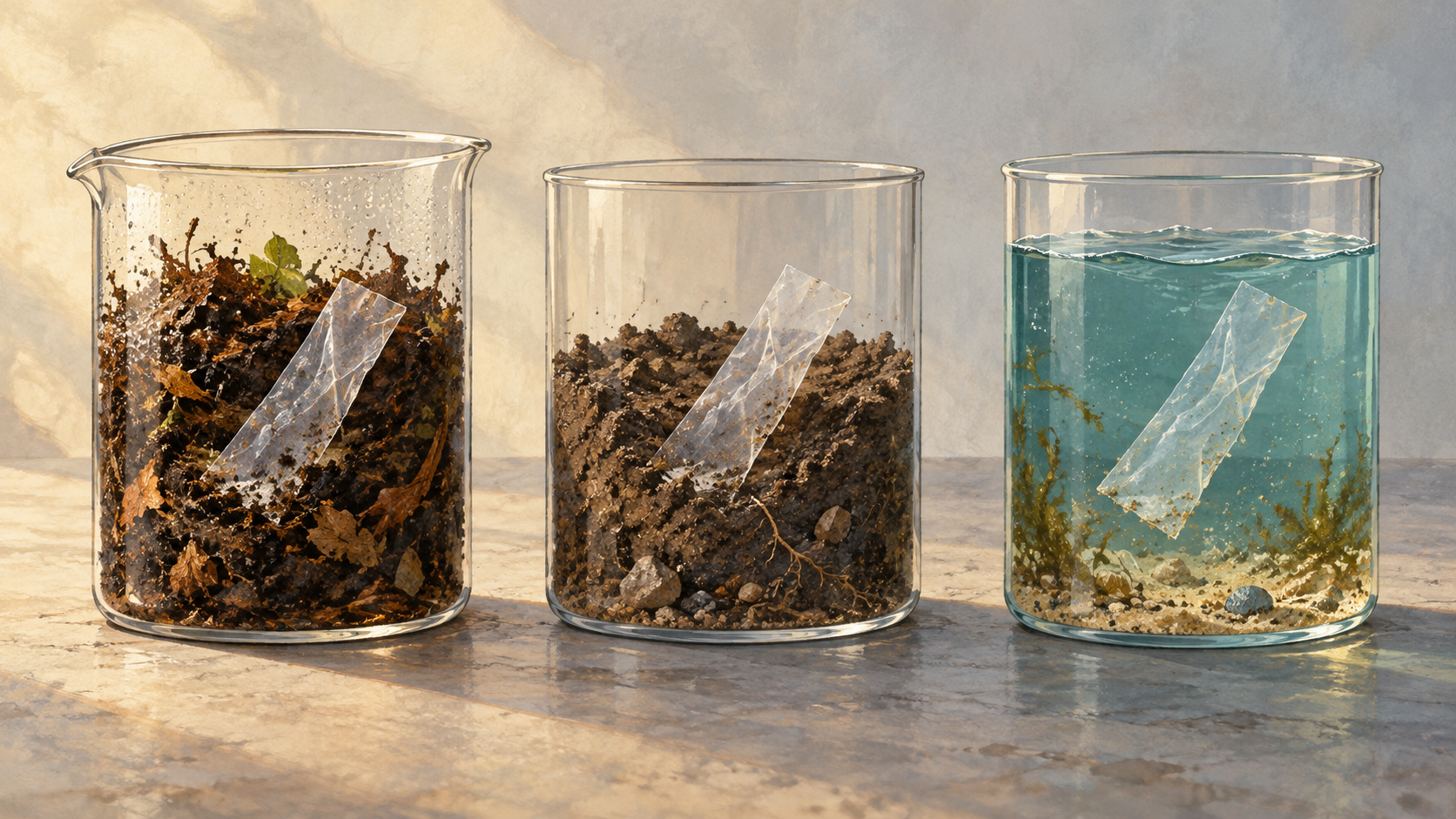
Biodegradable describes a process under particular conditions, not a promise that a discarded object will vanish. The test, the environment and the disposal route matter.
About the author
I write about the changing lives of materials: metal, glass, timber, concrete and plastics. I am interested in the mechanisms behind wear and repair, and in the limits of neat claims about durability.
I build each essay around a concrete question, read the underlying sources and separate observed results from interpretation. I want the details to remain clear enough that a reader can follow the argument and examine the evidence.
Biodegradable describes a process under particular conditions, not a promise that a discarded object will vanish. The test, the environment and the disposal route matter.
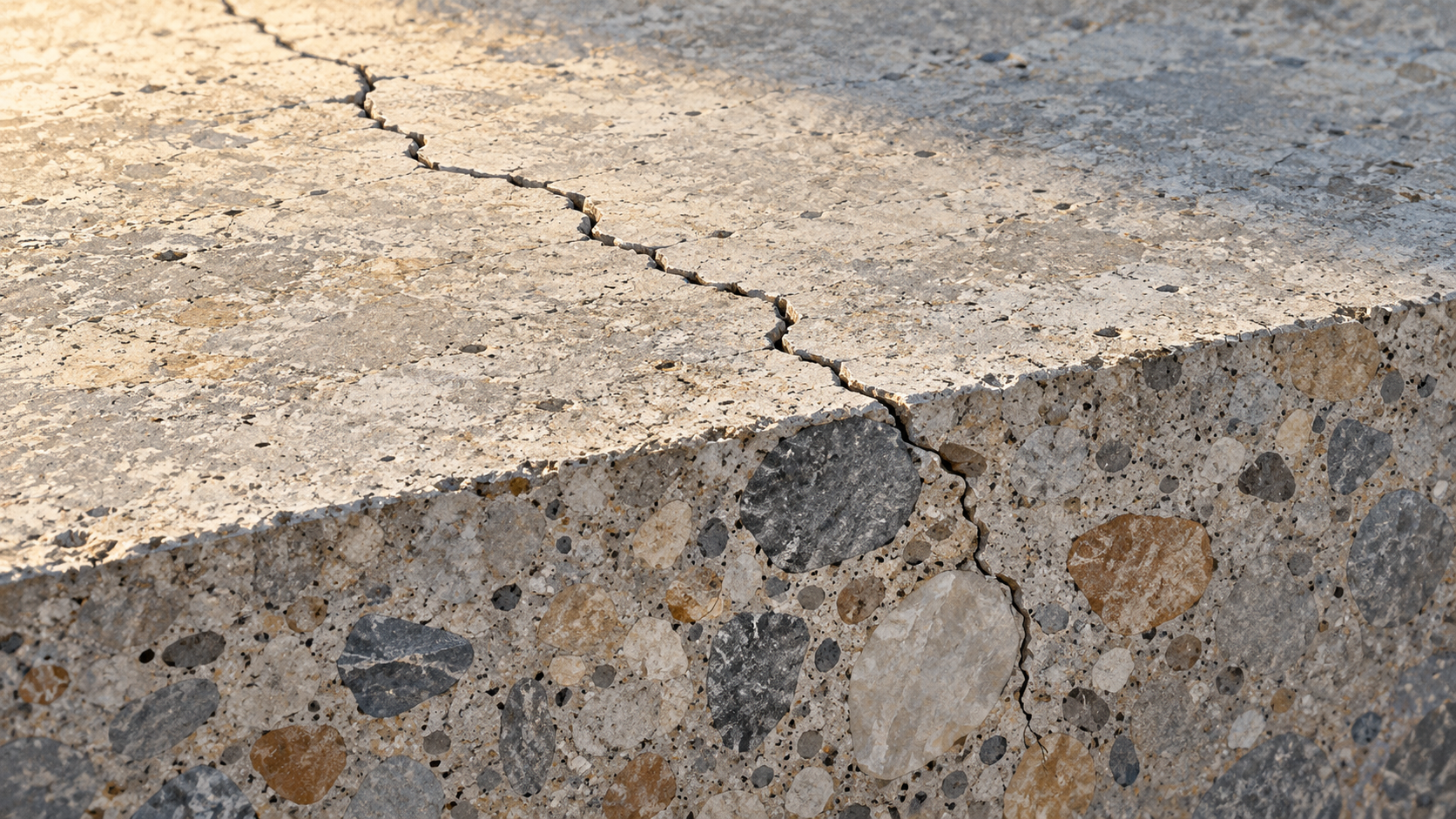
A visible concrete crack can join smaller fractures, bend around stone, or deepen under changing strain. Its path matters, but the cause takes more than a glance to establish.
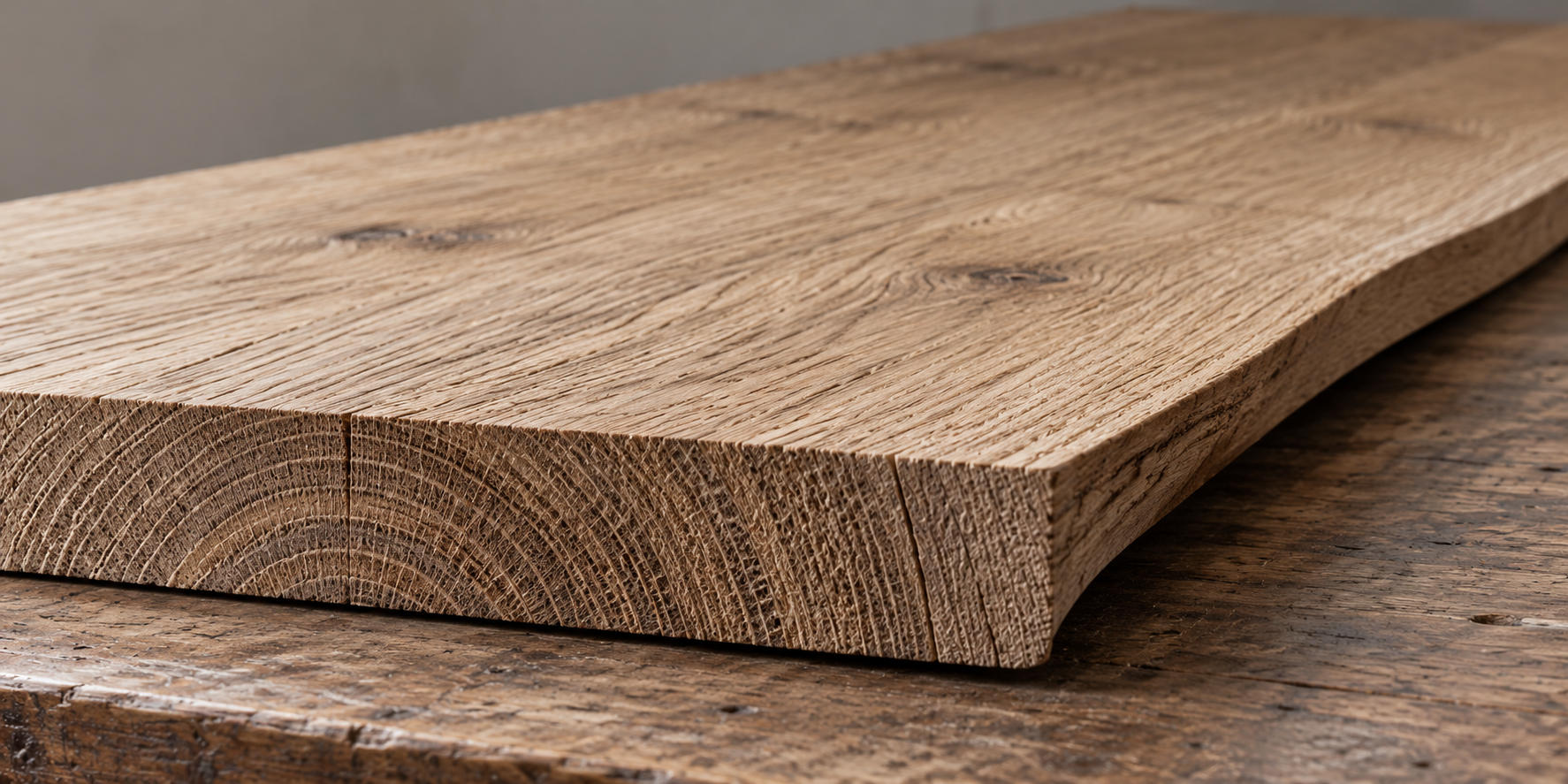
A dry board still trades water with the air. Where that water sits, and how quickly each face responds, determines whether the wood widens, bends, or cracks.
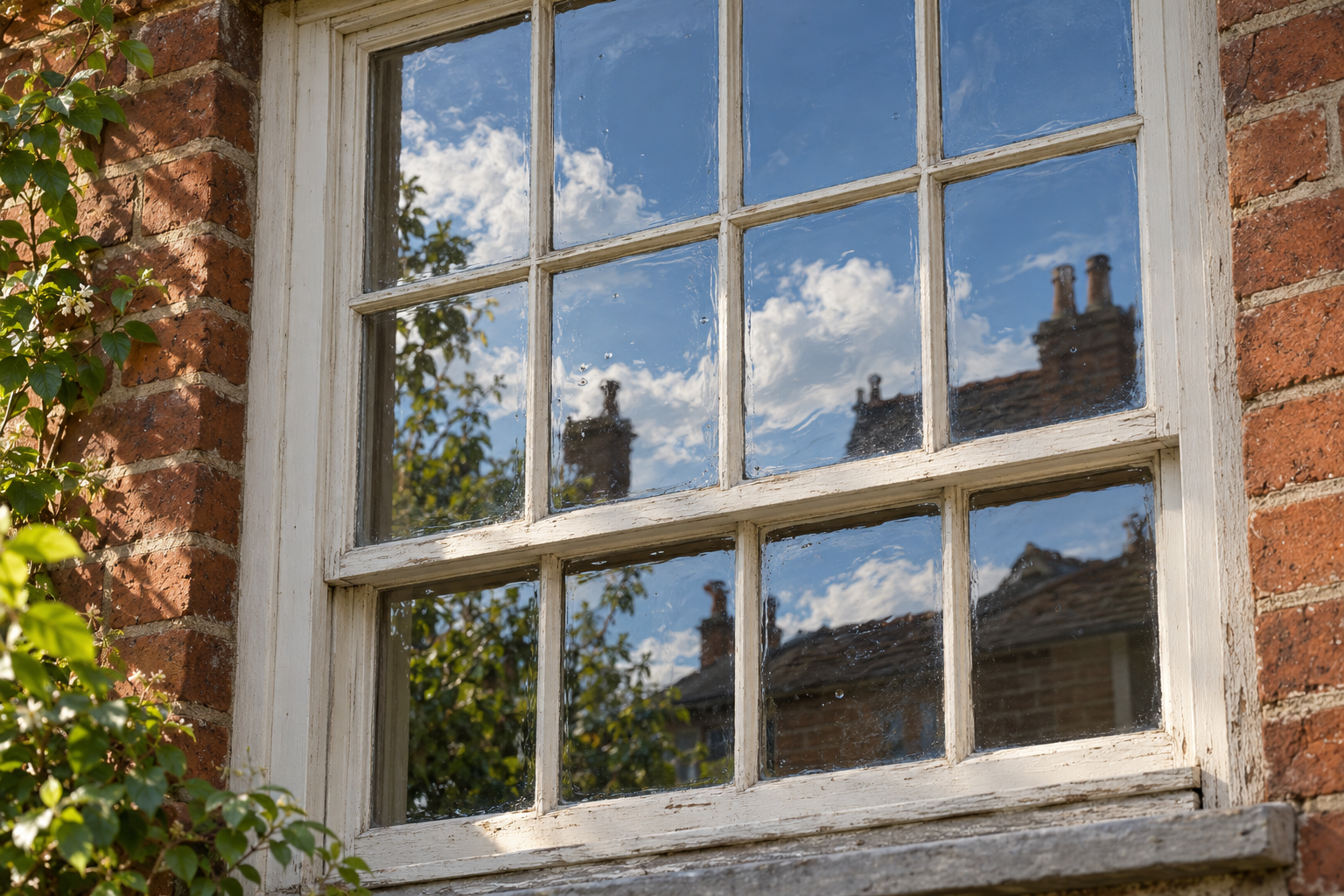
Old panes bend reflected rooflines and transmitted views because their surfaces remember how they were made. Thickness, tint, and newer float glass reveal different parts of the light story.
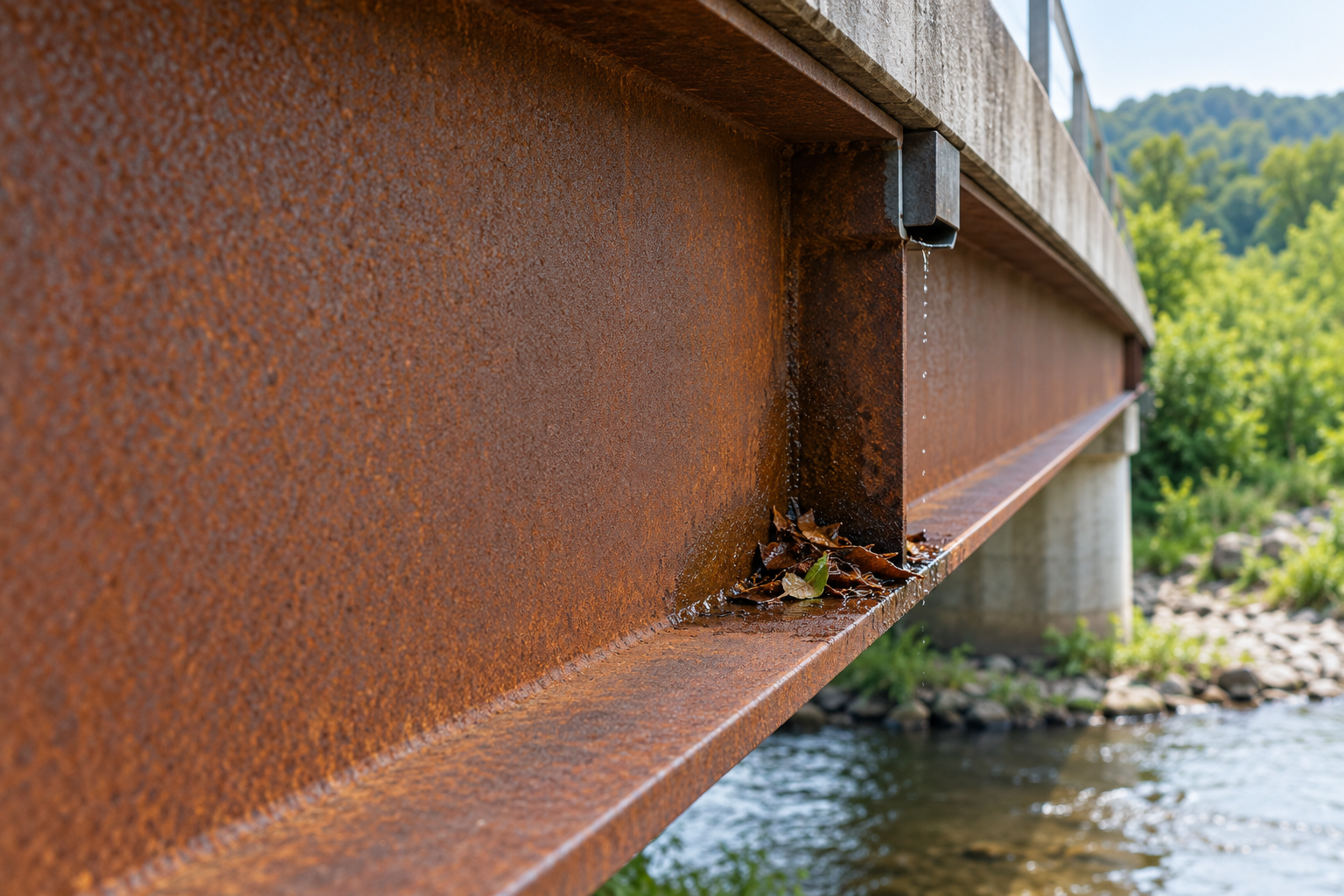
Weathering steel depends on a close-fitting rust layer formed through wet and dry cycles. Where salts, leaks and debris keep a bridge wet, the same brown surface can conceal continuing metal loss.